
Women still under-represented as speakers at marketing events
Pomona Partners, a specialist speaker agency focused on championing diverse voices, has published new analysis examining representation across major marketing conferences, revealing that men continue to dominate industry stages despite steady progress in recent years.
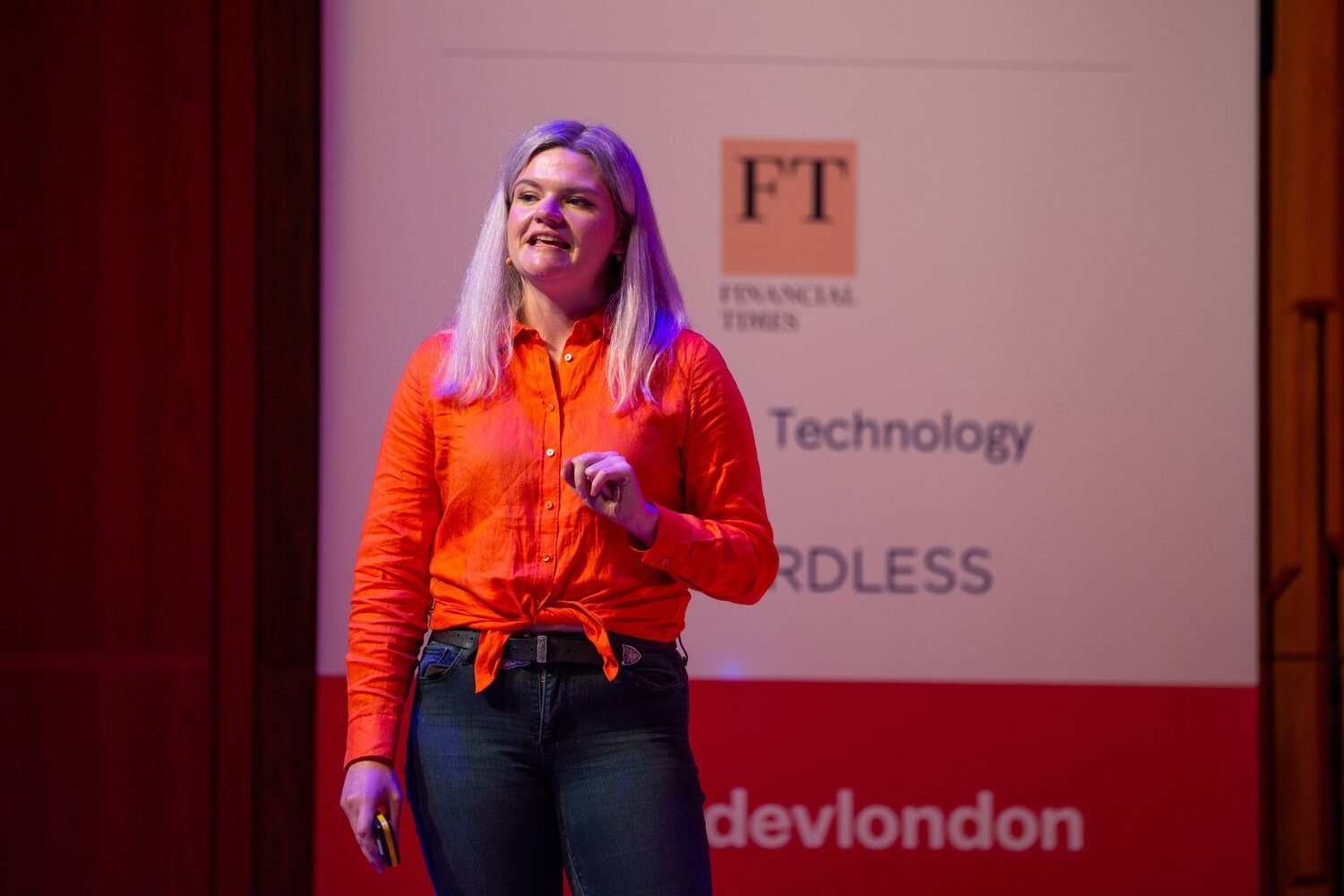
The research forms part of Pomona Partners’ ongoing campaign to improve visibility and opportunity for women across the conference circuit. By tracking representation over time, the agency aims to provide the industry with clear, transparent data and encourage organisers to take practical steps towards more balanced line-ups.
In Q1 2026, Pomona Partners analysed 2,323 speakers across ten prominent marketing events. The findings show that 57% of speakers were male, compared with 43% female, highlighting continued imbalance in who is given a platform to share expertise, shape conversation and build professional visibility.
While marketing has proven to be one of the more balanced industries when compared to pharma (37% women speakers) and tech (32.6% women speakers), there is still work to be done to achieve real balance.
Key findings
- Women represented just 43% of speakers, demonstrating progress but not parity
- Several major conferences are now approaching gender balance
- Others continue to lag behind, indicating inconsistent progress across the sector
- Representation remains a critical factor in career visibility, influence and leadership development
The analysis identified several positive examples of conferences moving towards gender parity. The Festival of Marketing recorded 51.2% female speakers, demonstrating strong balance across its programme. The Cannes Lions International Festival of Creativity also showed near-equal representation, with 50.4% female speakers.
Other events making notable progress include:
- Advertising Week Europe - 46.0% female speakers
- BrightonSEO - 45.8% female speakers
- Digital Marketing World Forum (DMWF) - 44.5% female speakers
Bethan Vincent, Pomona Partners speaker and Managing Partner of Open Velocity, said: "Speaking at events like BrightonSEO early on in my career were incredibly helpful. It gave me visibility I couldn't have built any other way and that visibility opened doors. But that experience also made me acutely aware of how, in a wider sense, arbitrary access to those first stages can be.
“Conference line-ups often aren't built on merit alone, they're built on networks. The same voices get recycled because they're already known, not necessarily because they're the most relevant. For every woman who got that first break, there are dozens who never made it onto the shortlist because they weren't already in the right rooms. If organisers are only finding speakers through referrals from their existing roster or by scanning who's on other stages, they'll keep getting the same results. The talent is there. But finding it requires actually looking for it."
Claire Quansah, founder of Quansah Consulting and Pomona Partners speaker, is passionate about developing talent and improving diversity in the creative and comms industries. She said: “In an industry where women are in the majority, it’s disappointing to see that we still aren’t always seen as the go-to ‘experts’ when event organisers are booking speakers. Whilst progress has been made, there’s clearly much more work to be done.
“But this isn’t just about inviting women onto stages, it’s about creating equitable opportunities through payment, access and support. The same issues that are fuelling gaps in workplaces across the marketing industry.
“There’s a lot of talk about efforts being made to improve diversity in the industry, but this requires intentional actions and real long-term commitment.”
Pomona Partners believes transparency is essential to driving improvement. By publishing this analysis regularly, the agency aims to create a clear benchmark for the industry and support organisers in making measurable progress.
“Conference stages play a powerful role in shaping careers, building reputations and defining industry leadership. When representation is uneven, opportunities to influence, inspire and progress are uneven too,” said Katharine McNamara, marketing lead at Pomona Partners.
The research will be repeated quarterly to track change over time and highlight both progress and persistent gaps.
"Conference stages are more than platforms for sharing ideas,” she continued. “They are engines of visibility and career growth. When representation is unbalanced, so are the opportunities that follow.
“We are seeing genuine progress, and many organisers are working hard to improve representation. But parity doesn’t happen by accident. It requires intention, planning and a commitment to looking beyond the usual speaker lists.
“Our goal is simple: to make sure the industry benefits from the full breadth of talent available not just the most visible voices."