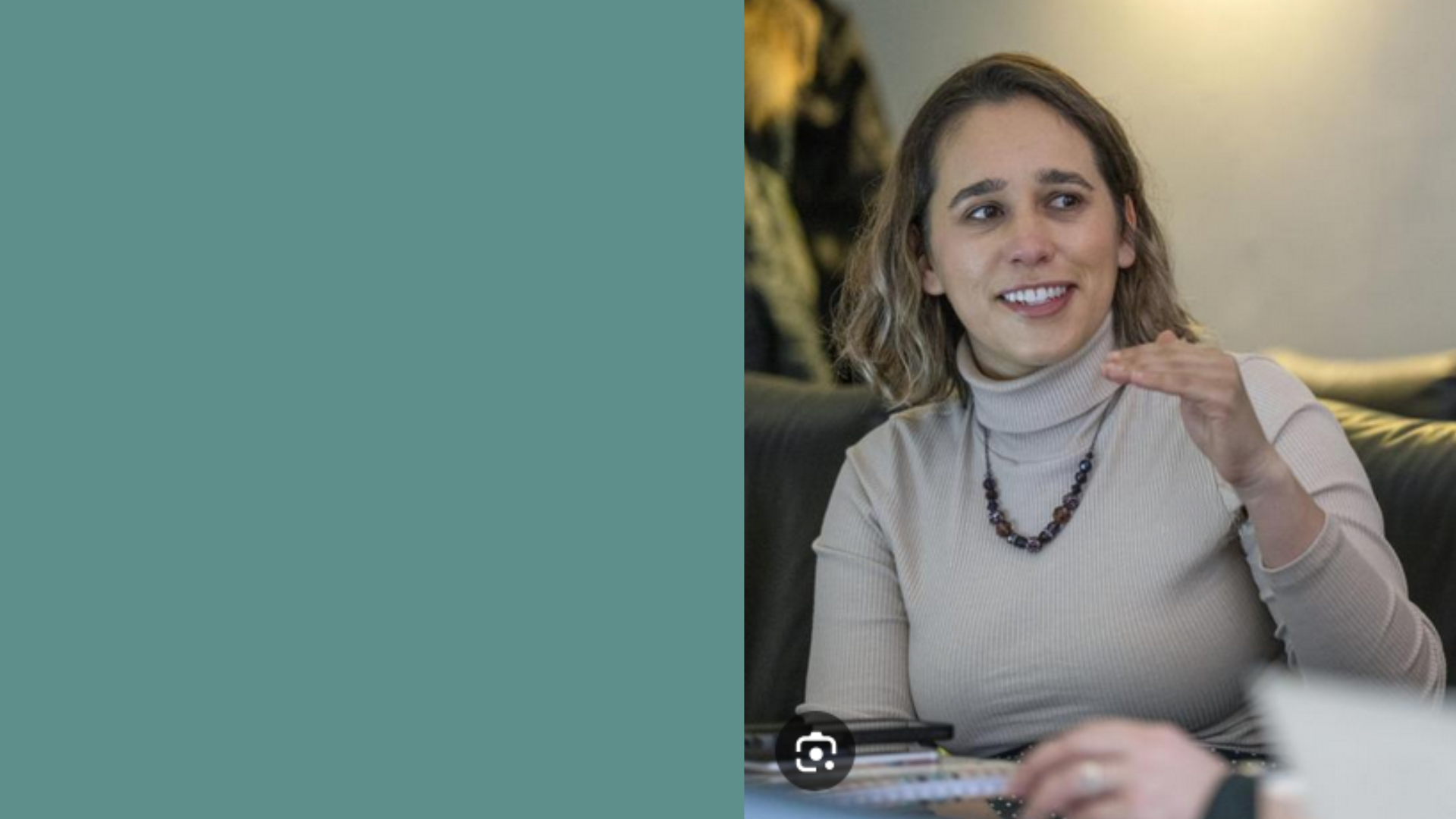
Zahra Hedges
Systems Strategist
I help organisations move upstream: tackling root causes, not symptoms. My work centres on prevention, fairness, and equality of access and belonging, and I keep audiences honest with one question: so what? I bring systems thinking to values-led leadership, turning ambition into practice that changes outcomes for people, not just intentions
Book Zahra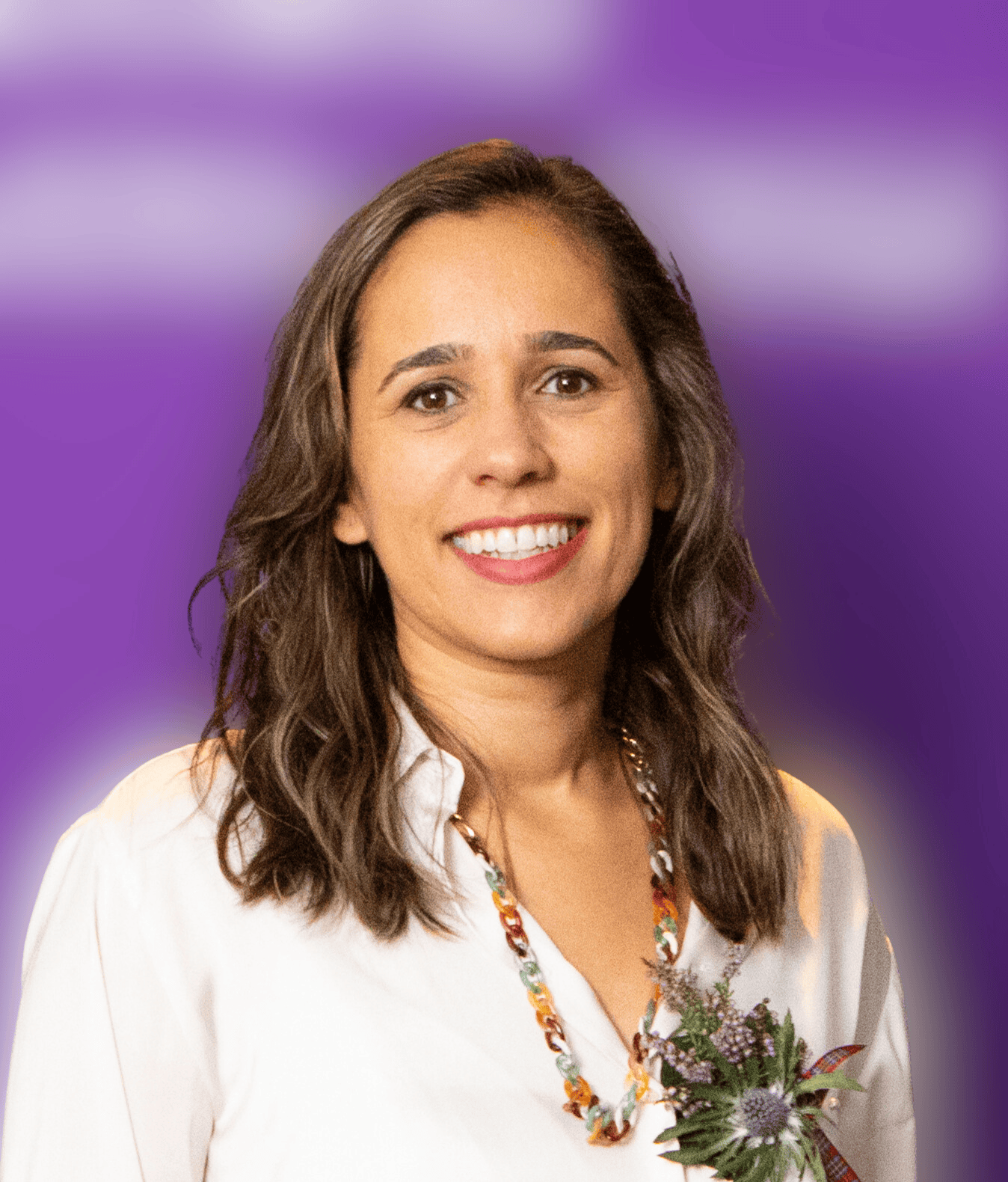
Biography
Zahra Hedges is a Glasgow-based transformation and strategy leader with over 20 years' experience across the public, private and third sectors. Her work is built on one consistent principle: real change happens upstream, in the conditions that shape outcomes, not in the symptoms that follow from getting them wrong.
She was Chief Executive of Winning Scotland from 2021 to early 2026, where she grew income from around £550k to £1.25m, expanded the team from 3 to 12, and repositioned the organisation as a "think-and-do" systems body rather than a traditional delivery charity. Under her leadership, Winning Scotland led the Scottish implementation of Planet Youth, an Icelandic community-level model for preventing substance use and improving youth wellbeing, working across government, local authorities and communities. She was named Institute of Directors Director of the Year 2025 for this work.
Before that, she spent just over a year as Senior Policy Lead at the Scottish Government, leading a £15m national community mental health programme rolled out across all 32 Scottish local authorities. It was a role that required translating national policy into practical delivery inside a highly scrutinised, politically sensitive environment, and it sharpened her understanding of how good intentions get lost between strategy and the ground.
Earlier in her career, Zahra led a social enterprise and founded, scaled and sold her own retail business, Dolled Up, giving her a grounded, commercial edge that sits alongside her systems thinking.
Zahra now works as an independent consultant, interim executive and board-level appointee under her own brand, Field Notes. She sits on the board of Skills Development Scotland as a ministerial appointee, is a Trustee of BBC Children in Need on the Impact Committee, and is a member of Scottish Water's Independent Customer Group, feeding into the 2027 Strategic Review of Charges. She is currently completing an Executive Interdisciplinary MBA at the London Interdisciplinary School, focused on systems and learning design.
Across all of it, her lens stays the same. She asks the "so what" question of any initiative, strategy or intervention: what actually changes for people, and who is it changing for. Fairness, in the sense of equal access and genuine belonging, is not a value she adds on top of her strategic work. It is the test she applies to it.
Zahra's own path is part of why this matters to her. She grew up seeing, up close, how much difference it makes when systems are designed with people in mind rather than around them, and how much damage follows when they aren't. That understanding deepened through her work supporting people from refugee backgrounds, and later through fostering young asylum seekers, experiences that gave her a lived, not just professional, sense of what it costs when access and belonging are treated as optional extras rather than as the foundation.
She is openly neurodivergent (AuDHD), and brings that same clarity to how she thinks: pattern recognition, systems synthesis, and comfort holding complexity that others find overwhelming. She co-parents her daughter, and describes fairness and belonging as ideas she is raising a child to expect, not just professional principles she argues for.
It's why she has spent her career moving toward the root of things rather than settling for treating what's on the surface, and why she is drawn to organisations and leaders who are serious about doing the same.
What I Currently Do
Speaking Topics
Designed for This: The Case for Evitable Outcomes
Why do some businesses get strong results almost regardless of who's on the team, while others struggle no matter how good their people are? This talk moves beyond individual performance to look through a values lens at the environments and systems leaders build around their people. It asks the "so what" question of every strategy: what actually changes, for whom, and does it hold under pressure.
Designed for This: The Case for Evitable Outcomes (public sector)
Why do some services and communities achieve good outcomes almost regardless of individual circumstance, while others don't, no matter how hard practitioners work? This talk moves beyond individual effort and blame to look at the systems and conditions public bodies design around people. It asks the "so what" question of every policy and programme: what actually changes, and for whom.
Designed for This
Why do some environments produce good outcomes almost regardless of who's in them, while others don't, no matter how hard people try? This workshop moves beyond theory to test that question against participants' own context. Using systems thinking tools, including causal layered analysis, groups map the environments producing their current outcomes and identify where leverage actually sits. It asks the "so what" of every intervention: what's genuinely evitable, what individual effort can and can't change, and what a different outcome would require. Participants leave with a working systems map, not just a new way of thinking.
Media Appearances
Impact of covid on young people
STV News
Improving choices and chances
BBC Radio Scotland
Charity Leadership
Changing Conversations
Enquire about booking